 RAAL La Louviere Hub
In the 1980s, RAAL La Louvière began to make its mark on Belgian football. After several seasons of fluctuation in the lower divisions, the club found a strong foundation under coach Robert Waseige. Waseige's appointment in 1986 proved crucial as he not only introduced a tactical approach that enhanced player performance but also fostered a team spirit that united the club.
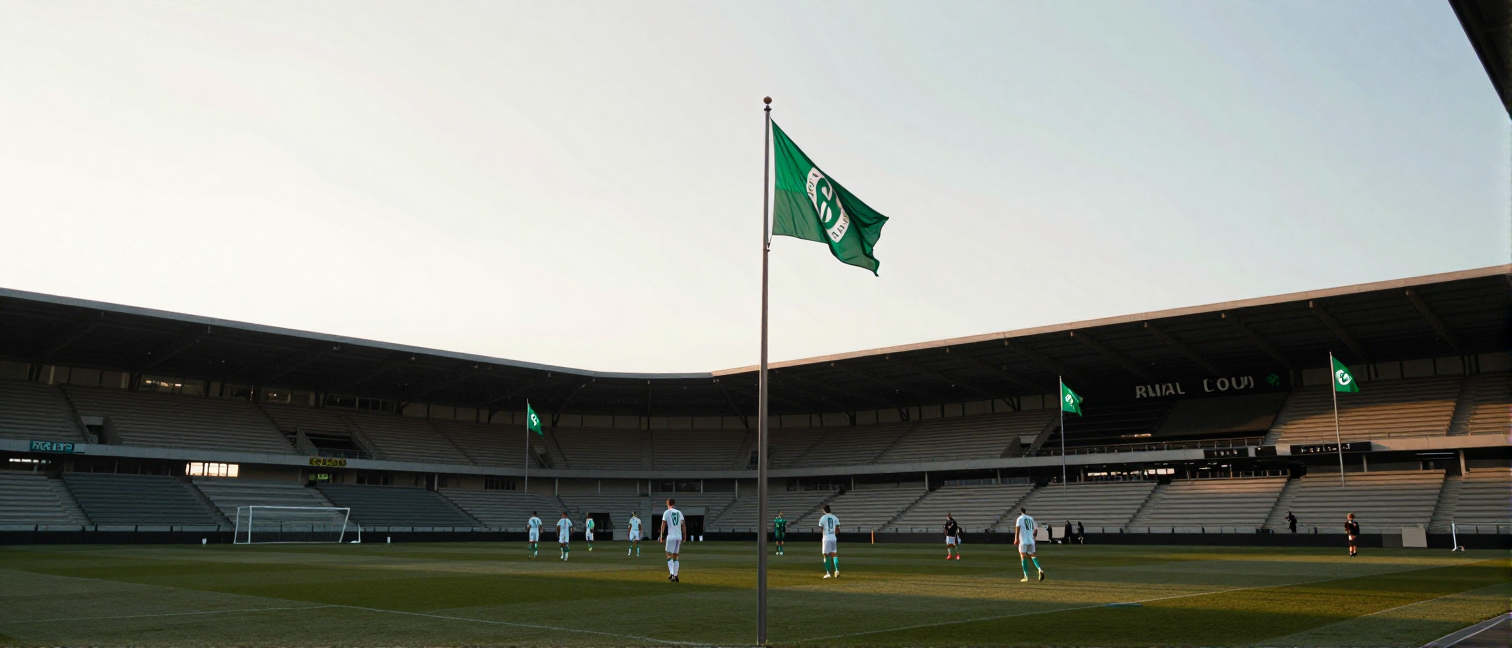
One of the most memorable moments came in the 1987-1988 season when Les Loups found their way to the top of the Belgian Second Division. With a mix of experienced players and emerging talents like young striker Michel De Wolf, they began to overwhelm their opponents. The atmosphere in the stadium was electric, with fans celebrating every victory as if it were a championship. This season was not just a victory on the pitch but also a testament to the unwavering support from the fanbase.
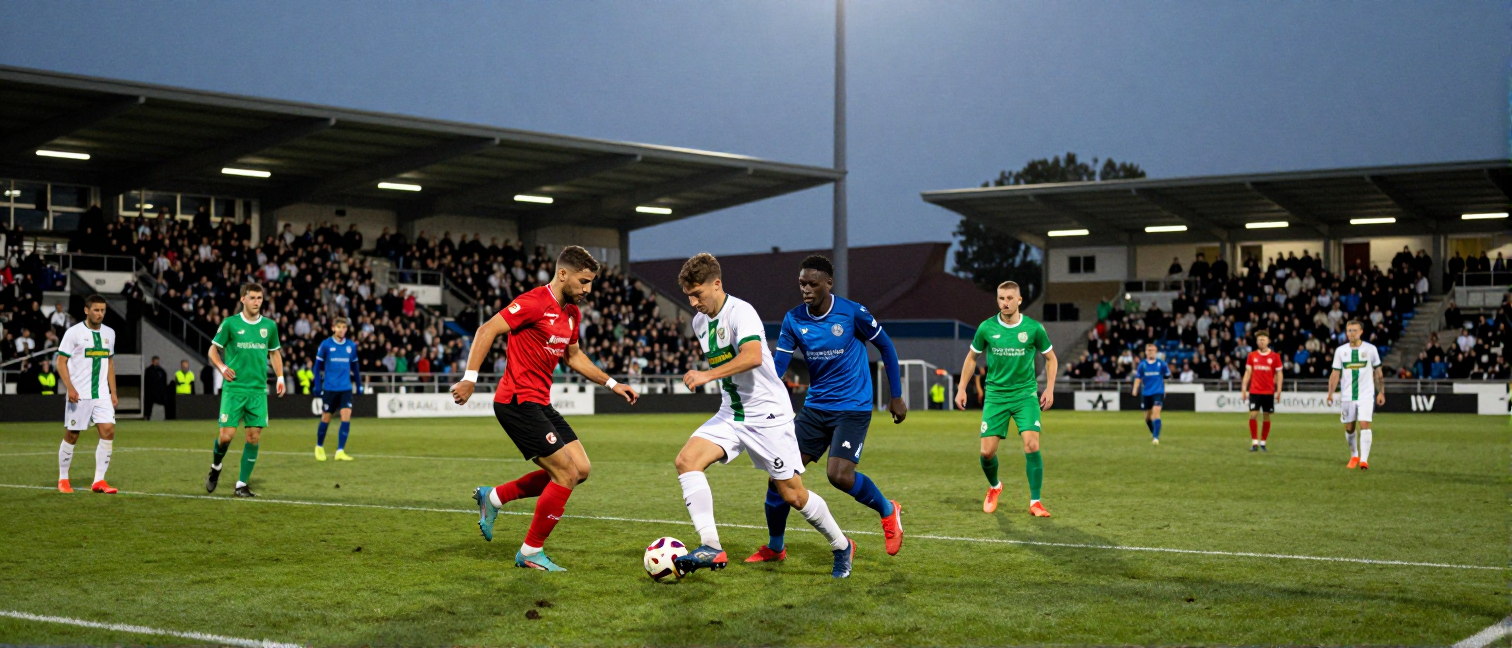
The rivalry with Charleroi intensified during this period, and every encounter became a real battle. The derbies against Charleroi were significant not only for the standings but also for the pride of La Louvière. The fierce competition led to unforgettable matches that are etched in the club's history.
Ultimately, the hard work and determination of both players and staff led to promotion to the top division in 1990. This was a turning point for RAAL La Louvière, which now gained a new status in Belgian football. The club had secured its place in the upper echelons of the football landscape and would continue to grow in the coming years.
Thus, the 1980s were not just a period of growth in terms of performance but also of identity formation for Les Loups. The club learned the value of hard work, collaboration, and the indispensable support from their fans. This laid the groundwork for future successes, both in the Belgian league and beyond. It was a decade that secured the future of RAAL La Louvière and enabled the club to continue fighting for its place in the heart of the Belgian football scene.